
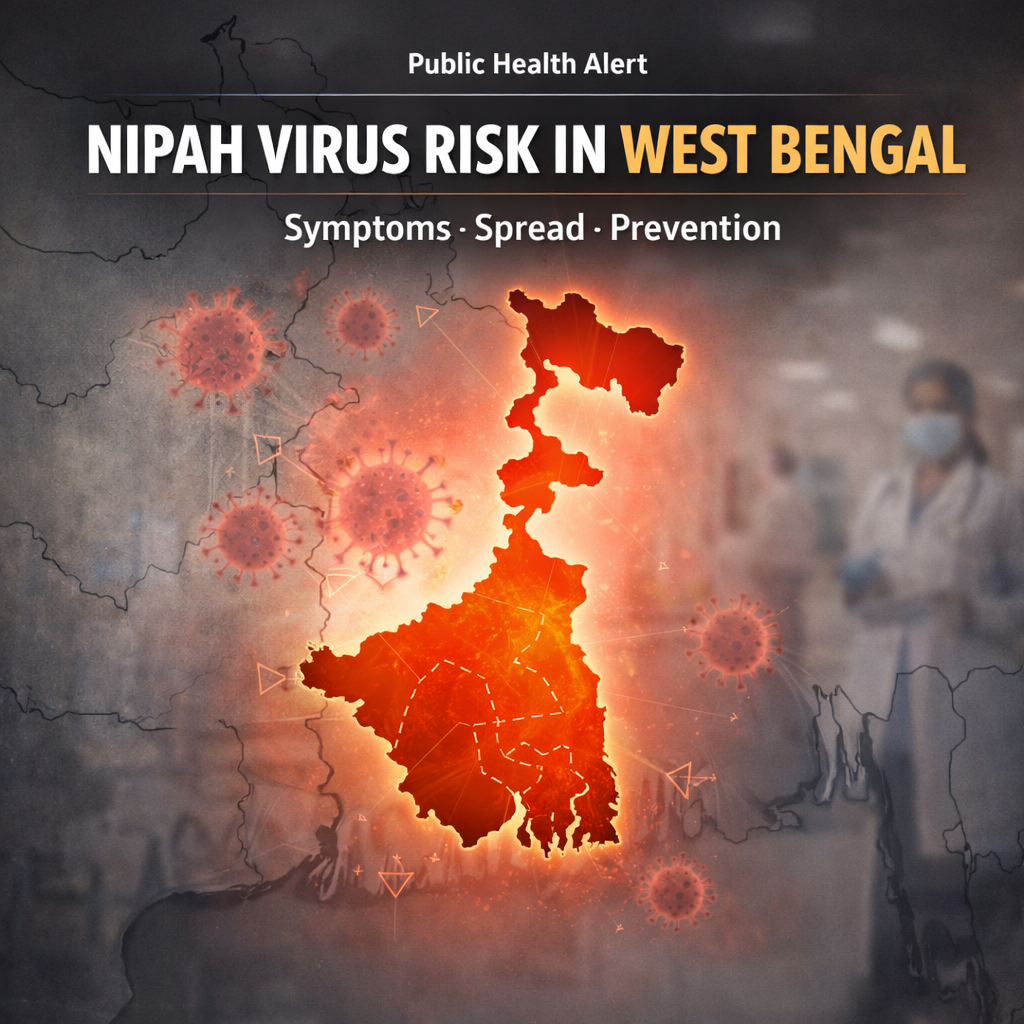
The Nipah virus is one of those infections that doesn’t appear often — but when it does, it demands attention. While outbreaks are rare, Nipah is considered a high-risk virus because of how serious the illness can be and how quickly it can spread if not identified early.
Understanding Nipah is not about panic.
It’s about awareness, early action, and prevention.
What Is the Nipah Virus?
The Nipah virus (NiV) is a zoonotic virus — meaning it spreads from animals to humans. It was first identified in 1999 and has since caused sporadic outbreaks, particularly in parts of South and Southeast Asia.
Nipah can cause:
severe respiratory illness
inflammation of the brain (encephalitis)
high fever and neurological symptoms
Because of its severity and lack of a specific cure, Nipah is closely monitored by health authorities.
How Nipah Virus Spreads
Nipah does not spread casually like the common cold. Transmission usually occurs through specific exposure routes:
1. From Animals to Humans
Fruit bats (natural carriers)
Consumption of contaminated fruits or raw date palm sap
Contact with infected animals such as pigs
2. Human-to-Human Transmission
Close contact with bodily fluids of infected individuals
Caregiving without proper protection
Hospital exposure without strict infection control
This is why early isolation and medical supervision are critical.
Common Symptoms to Watch For
Symptoms can appear 5–14 days after exposure and may include:
Early Symptoms
Fever
Headache
Muscle pain
Fatigue
Sore throat
Serious Symptoms
Confusion or drowsiness
Difficulty breathing
Seizures
Altered consciousness
Not everyone develops severe illness, but rapid progression is possible, making early medical attention essential.
Why Nipah Virus Is Taken So Seriously
Nipah virus is classified as a priority pathogen by global health agencies because:
There is no specific antiviral treatment
There is no approved vaccine yet
Mortality rates in past outbreaks have been high
Outbreaks can strain healthcare systems quickly
However, it’s important to note:
Early detection and supportive care significantly improve outcomes.
How Nipah Is Diagnosed
Doctors rely on:
clinical symptoms
exposure history
laboratory testing (RT-PCR, antibody tests)
Suspected cases are managed under strict infection-control protocols in hospital settings.
Treatment: What Can Be Done?
There is currently no targeted cure, but treatment focuses on:
supportive medical care
managing breathing difficulties
controlling fever and seizures
monitoring neurological function
With timely hospital care, many complications can be managed effectively.
Prevention: The Most Powerful Tool
Prevention is where awareness truly matters.
✔ Avoid Consuming:
Raw or unprocessed date palm sap
Fruits partially eaten by bats
✔ Practice Hygiene:
Wash fruits thoroughly
Maintain hand hygiene
Use protective equipment when caring for sick individuals
✔ Follow Public Health Guidelines:
Report symptoms early
Avoid close contact with suspected cases
Trust official health advisories
Nipah Virus and Public Fear: Keeping Perspective
Outbreaks often trigger fear because of media attention. But it’s important to remember:
Nipah outbreaks are localized and rare
Public health surveillance in India is strong
Awareness reduces spread — panic does not
Staying informed helps communities respond calmly and effectively.
Why Early Awareness Saves Lives
Most severe outcomes occur when:
symptoms are ignored
exposure history is missed
medical care is delayed
Recognizing symptoms early and seeking medical attention can dramatically change outcomes.
Final Thought
The Nipah virus reminds us of something important:
Health threats don’t need panic — they need preparation.
Awareness, hygiene, early reporting, and responsible healthcare behavior protect not just individuals, but entire communities.
Stay informed. Stay cautious. Stay calm.