
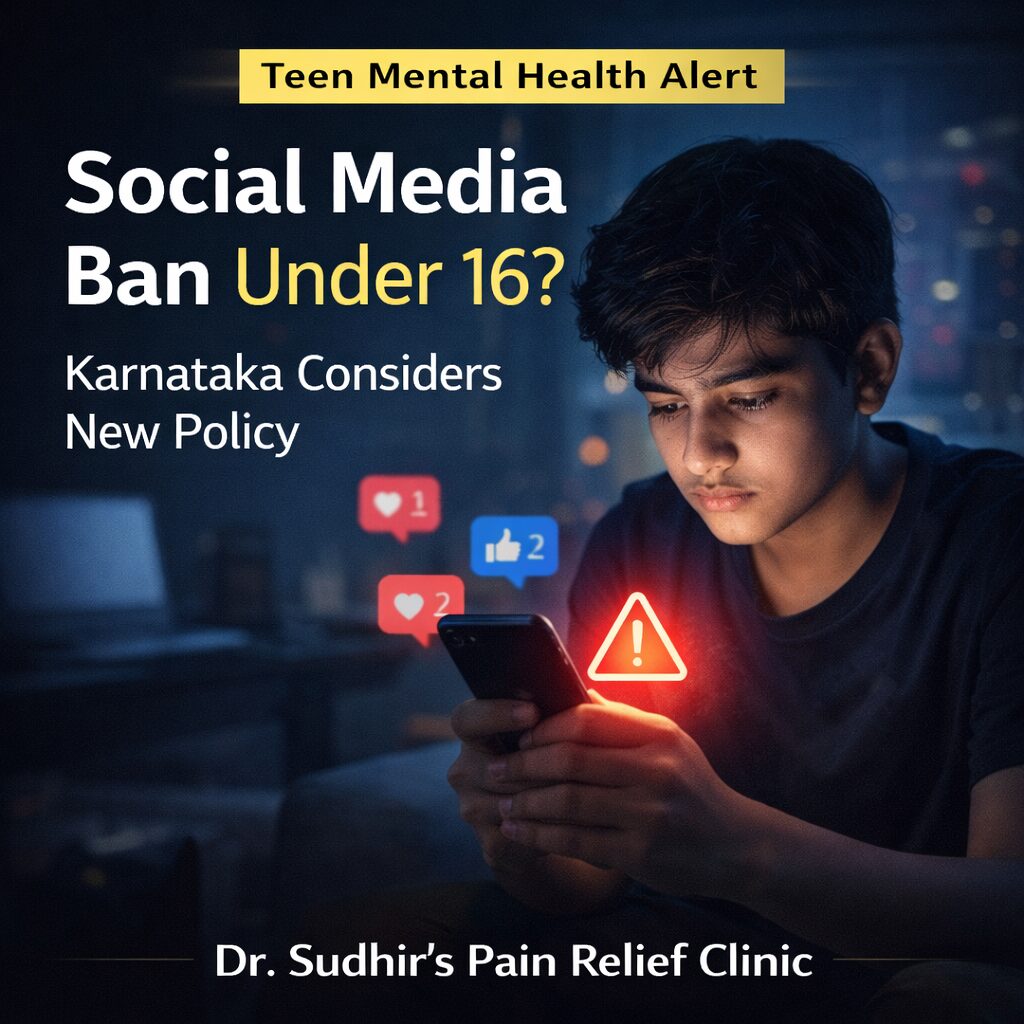
Karnataka is reportedly exploring a policy that could restrict social media access for children under the age of 16. The proposal comes amid growing concerns among policymakers and health experts that excessive social media use may be contributing to mental health challenges among young people.
As smartphones and online platforms become deeply embedded in daily life, governments across the world are beginning to question how much digital exposure is healthy for children and teenagers.
Why the Proposal Is Being Discussed
Mental health professionals have increasingly warned that prolonged exposure to social media can affect young users in several ways.
Common concerns include:
increased anxiety and stress
reduced attention span
sleep disruption
cyberbullying and online harassment
unhealthy comparison and low self-esteem
Young people are particularly vulnerable because their brains and emotional regulation systems are still developing.
The Growing Global Debate
Karnataka’s proposal reflects a broader global trend. Several countries are exploring ways to regulate digital platforms for minors.
Some governments have introduced:
stricter age verification systems
limits on algorithm-driven content
parental control requirements
restrictions on data collection from minors
The goal is not necessarily to eliminate social media entirely, but to create healthier digital environments for children.
Why Early Digital Exposure Matters
Studies suggest that excessive screen time may influence both mental and physical health in adolescents.
Potential impacts include:
disrupted sleep cycles due to late-night scrolling
reduced physical activity
increased sedentary behaviour
greater risk of emotional distress
These lifestyle patterns can indirectly contribute to broader health problems over time.
What Parents Should Consider
Regardless of policy decisions, parents and families can take practical steps to help children maintain a healthier relationship with technology.
Helpful strategies include:
setting daily screen time limits
encouraging outdoor activities and sports
creating phone-free family time
monitoring online behaviour and interactions
promoting healthy sleep routines
Balanced digital use is often more effective than complete restriction.
The Bigger Question
The discussion around restricting social media for children raises a larger issue:
How can societies balance technological access with the mental wellbeing of younger generations?
As policymakers, educators, parents, and health professionals debate the best solutions, awareness about responsible digital use will remain essential.
Final Thought
The proposed restriction in Karnataka highlights a growing recognition that digital habits can influence mental health.
Whether through regulation, education, or family guidance, helping young people develop healthier relationships with technology may become one of the most important public health priorities in the digital age.