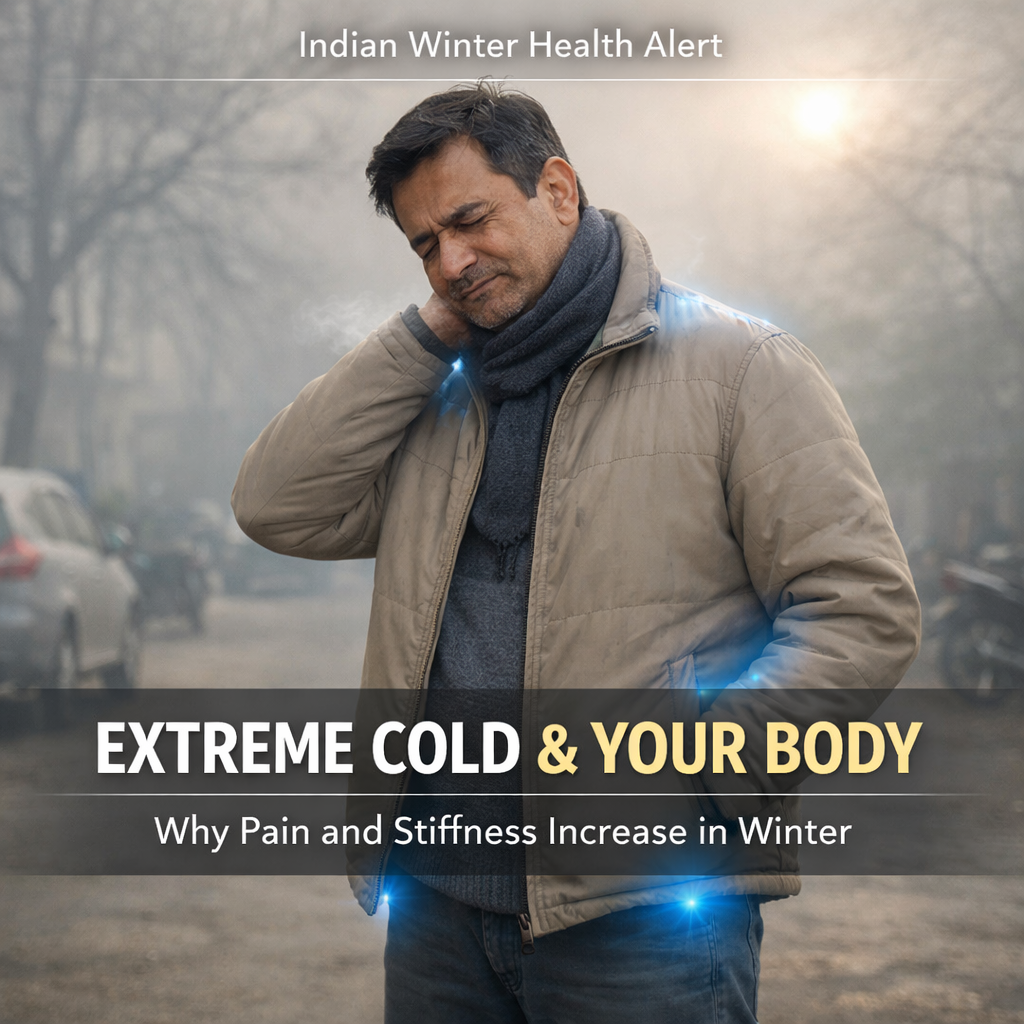
As winter intensifies, extreme cold is no longer just an inconvenience—it has become a serious health concern. Across many regions, doctors are seeing a rise in joint pain flare-ups, muscle stiffness, nerve sensitivity, respiratory strain, and circulation issues during periods of severe cold.
While most people associate cold weather with minor discomfort, the reality is that extreme cold places real physiological stress on the body, especially in individuals with existing health conditions, sedentary lifestyles, or poor circulation.
Understanding how cold affects the body—and how to protect yourself—can prevent pain, complications, and long-term damage.
❄️ What Extreme Cold Does to the Human Body
When exposed to cold, the body prioritizes survival. Blood flow is redirected toward vital organs, and several protective mechanisms activate—many of which can worsen pain and stiffness.
1. Reduced Blood Circulation
Cold causes blood vessels to constrict (vasoconstriction). This reduces blood flow to:
joints
muscles
hands and feet
Reduced circulation means less oxygen and fewer nutrients reach tissues, leading to stiffness, aching, and delayed recovery.
2. Muscle Tightening and Spasm
Cold temperatures cause muscles to contract and tighten to preserve heat. Prolonged muscle tension can result in:
neck stiffness
back pain
shoulder tightness
sudden muscle spasms
This is why many people feel “locked” or rigid in extreme cold.
3. Increased Joint Sensitivity
Joint tissues, including cartilage and ligaments, become less flexible in cold weather. For people with:
arthritis
previous injuries
age-related wear
cold can significantly amplify pain and inflammation.
4. Nerve Sensitivity
Cold can irritate nerves, leading to:
tingling
numbness
sharp or shooting pain
This is especially noticeable in the neck, lower back, wrists, and extremities.
5. Slower Healing and Recovery
Cold reduces metabolic activity in tissues. This means:
injuries heal more slowly
soreness lasts longer
fatigue sets in faster
People who remain inactive during winter are particularly vulnerable.
🧠 Why Pain Feels Worse in Extreme Cold
Pain perception is not just physical—it is neurological.
Cold weather can:
increase nerve sensitivity
heighten pain signals
reduce the body’s pain-inhibiting mechanisms
Stress, reduced sunlight, poor sleep, and inactivity during winter further amplify this effect.
This is why many people report:
worsening back pain in winter
morning stiffness
pain returning despite previous relief
⚠️ Who Is Most at Risk During Extreme Cold?
Extreme cold affects everyone, but higher-risk groups include:
older adults
people with arthritis or chronic pain
individuals with poor circulation
those with sedentary routines
people recovering from injuries
office workers with poor posture
For these individuals, winter pain is not “normal aging”—it’s a preventable stress response.
🛡️ Essential Health Advice for Extreme Cold
✔ 1. Keep the Body Warm—Not Just Comfortable
Layer clothing properly, especially around:
neck
lower back
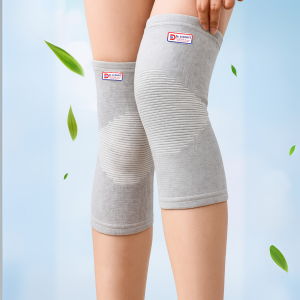
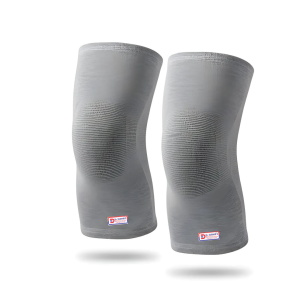
knees
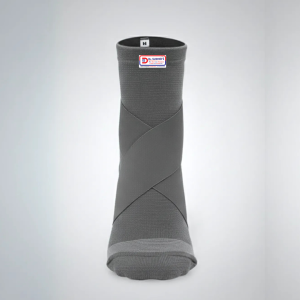
ankles
Cold exposure to these areas often triggers pain flare-ups.
✔ 2. Stay Gently Active
Inactivity is one of the biggest winter mistakes.
Even light movement:
improves circulation
reduces stiffness
keeps joints lubricated
Short walks, stretching, and indoor mobility exercises are enough.
✔ 3. Warm Up Before Any Activity
Cold muscles are injury-prone.
Before exercise or even household work:
perform gentle warm-up movements
avoid sudden twisting or lifting
This reduces muscle strain and spasms.
✔ 4. Maintain Good Posture Indoors
People tend to hunch in cold weather.
Poor posture increases:
neck strain
spinal compression
shoulder tension
Sit with back support and avoid prolonged slouching, especially during screen use.
✔ 5. Hydration Still Matters
Cold suppresses thirst, but dehydration worsens:
joint lubrication
muscle function
nerve health
Drink enough fluids even if you don’t feel thirsty.
✔ 6. Prioritize Sleep and Recovery
Cold weather disrupts sleep quality, which increases pain sensitivity.
Good sleep:
reduces inflammation
improves nerve recovery
supports muscle repair
🩺 When to Seek Medical Advice
You should consult a specialist if:
pain worsens suddenly in cold
stiffness lasts most of the day
numbness or tingling persists
pain limits daily activities
old injuries flare repeatedly
Early intervention prevents seasonal pain from becoming chronic.
🏥 How Pain Relief Care Helps During Winter
At Dr. Sudhir’s Pain Relief Clinic, winter-related pain is managed with a focus on:
circulation improvement
muscle relaxation
posture correction
nerve care
long-term prevention
The goal is not just temporary warmth or relief—but keeping the body functional and resilient through cold months.
🌟 Final Thought
Extreme cold doesn’t just make you uncomfortable—it changes how your body functions.
Ignoring winter pain allows stiffness, weakness, and nerve sensitivity to build quietly. With the right habits, movement, and timely care, cold weather doesn’t have to mean pain.
Winter should slow life—not your body.
📞 Need Help Managing Cold-Related Pain?
Call our specialists at +91 91636 95790