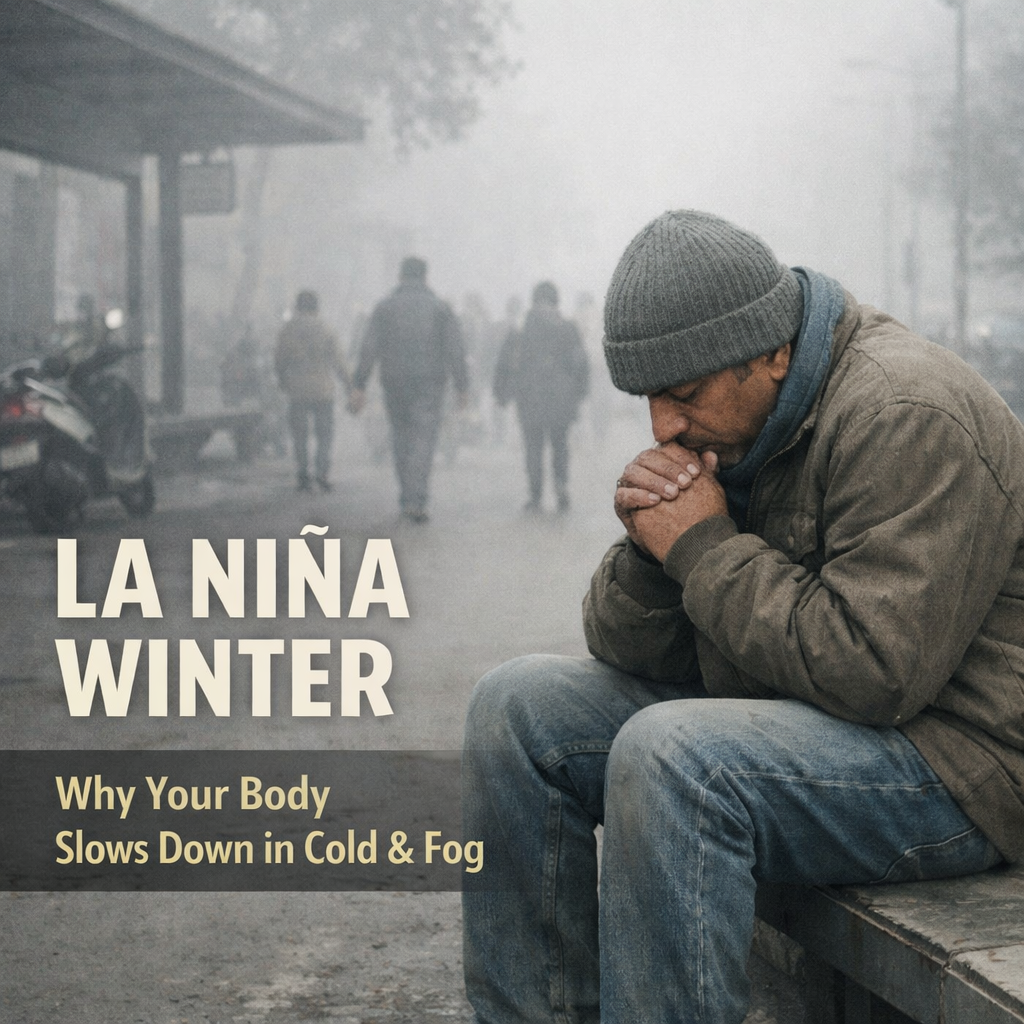
Every few years, winter in India feels different — colder mornings, persistent fog, longer chills, and increased body stiffness. One major reason behind this pattern is a climate phenomenon called La Niña.
While La Niña is often discussed in weather reports, its impact on human health is rarely explained clearly. Understanding this connection is especially important during winters when people experience worsening joint pain, stiffness, fatigue, and circulation problems.
❄️ What Is La Niña (In Simple Terms)?
La Niña occurs when Pacific Ocean surface temperatures drop below normal, altering global wind and weather patterns.
For India, La Niña winters often mean:
Colder-than-usual temperatures
Persistent fog and haze
Reduced sunlight
Higher humidity combined with cold air
This combination creates a cold-damp environment, which affects the body very differently than dry cold.
🌫️ How La Niña Changes Indian Winters
Unlike snowy countries, India experiences fog-heavy, low-sunlight winters, especially in North and Central regions.
During La Niña winters:
Morning fog lasts longer
Sunlight exposure is reduced
Cold air lingers throughout the day
Outdoor movement decreases
This leads to seasonal lethargy, muscle stiffness, and circulation slowdown.
🧠 Why the Body Reacts Strongly to La Niña Winters
1. Reduced Circulation
Cold temperatures cause blood vessels to constrict. During prolonged cold spells, this reduces blood flow to:
joints
muscles
nerves
Poor circulation increases stiffness, aches, and delayed recovery.
2. Increased Joint Sensitivity
Joint tissues become less flexible in cold, damp conditions. People with:
knee pain
back pain
arthritis
old injuries
often experience pain flare-ups during La Niña winters.
3. Muscle Tightening and Spasm
Cold air causes muscles to remain partially contracted. Over time, this leads to:
neck stiffness
lower back tightness
shoulder pain
Sudden movements during winter mornings can trigger spasms.
4. Nerve Irritation
Cold and poor circulation increase nerve sensitivity, resulting in:
tingling
numbness
sharp or shooting pain
This is commonly felt in the neck, arms, lower back, and legs.
5. Lower Energy and Slower Recovery
La Niña winters reduce sunlight exposure, which affects:
Vitamin D levels
sleep quality
mood and energy
This slows tissue healing and increases pain perception.
⚠️ Who Is Most Affected During La Niña Winters?
People who tend to struggle more include:
older adults
people with joint or spine issues
office workers with long sitting hours
individuals with low physical activity
people recovering from injuries
For them, winter pain is not normal aging — it’s a seasonal stress response.
🛡️ Health Tips to Protect Your Body During La Niña Winter
✔ Stay Warm Strategically
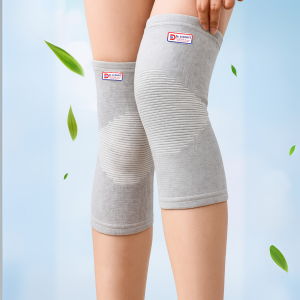
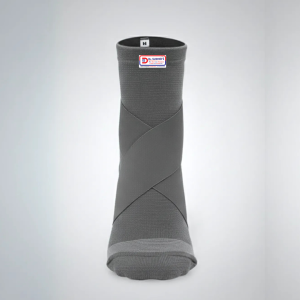
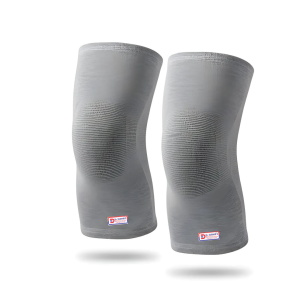
Protect the neck, lower back, knees, and ankles, not just the chest.
✔ Keep Moving Daily
Even gentle movement:
improves circulation
prevents stiffness
protects joints
Avoid staying still for long hours.
✔ Warm Up Before Activity
Cold muscles are injury-prone. Gentle warm-ups reduce strain and spasms.
✔ Maintain Posture Indoors
People tend to hunch in cold weather. Poor posture worsens neck and back pain.
✔ Hydration Still Matters
Cold suppresses thirst, but dehydration worsens joint stiffness and muscle function.
🩺 When to Seek Medical Advice
Consult a specialist if:
pain increases every winter
stiffness lasts most of the day
numbness or tingling appears
old injuries flare repeatedly
Early care prevents seasonal pain from becoming chronic.
🌟 Final Thought
La Niña winters don’t just change the weather — they change how your body behaves.
Cold, fog, and low sunlight quietly slow circulation, stiffen muscles, and increase pain sensitivity. With the right habits and timely care, winter does not have to mean discomfort.
Understanding your body’s response to seasonal changes is the first step toward staying pain-free.