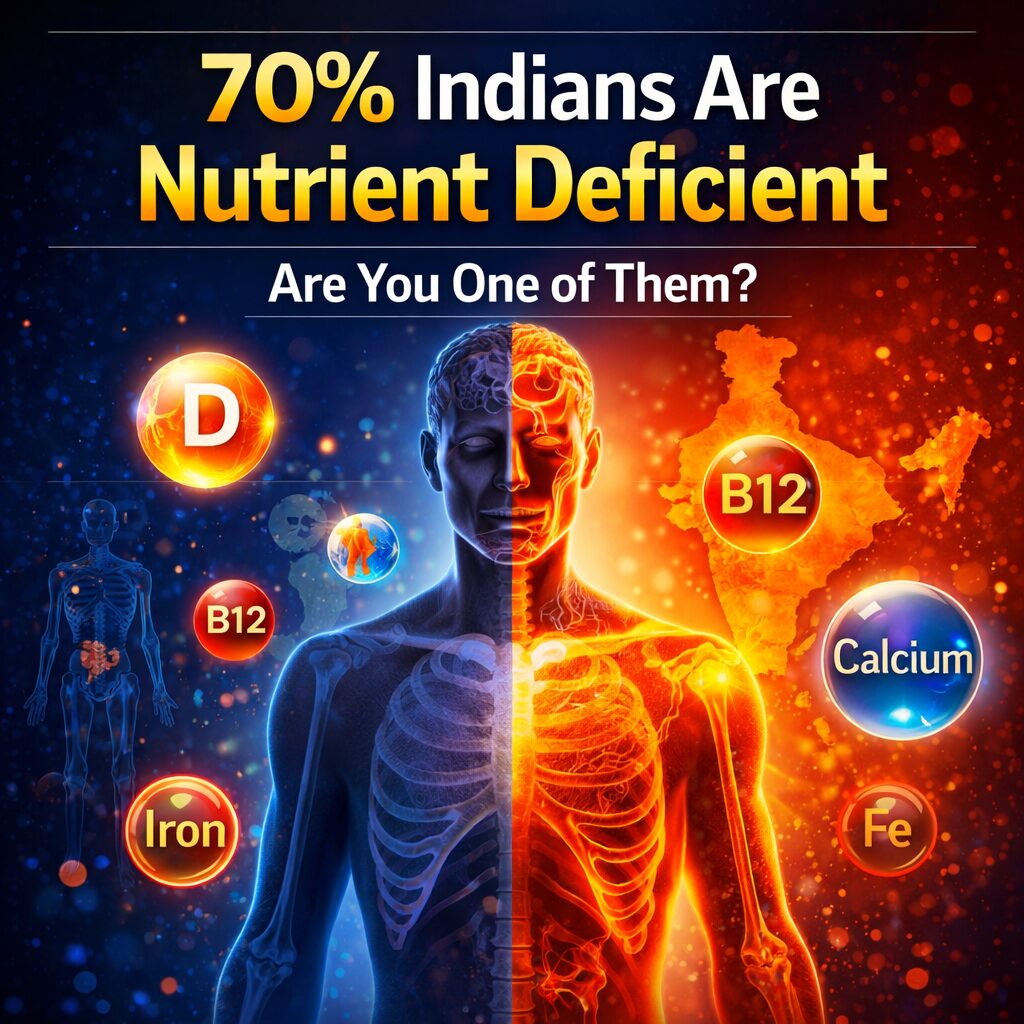
In recent years, health experts have raised concerns about a growing but often overlooked issue—vitamin and mineral deficiencies. Research suggests that over 70% of the population may lack essential nutrients, even among individuals who appear healthy.
This silent problem can affect energy levels, immunity, bone health, and overall well-being.
What Are Vitamin and Mineral Deficiencies?
Vitamins and minerals are essential nutrients that the body needs in small amounts to function properly. When the body does not receive enough of these nutrients, it can lead to deficiencies that impact various bodily systems.
Common deficiencies include:
Vitamin D
Vitamin B12
Iron
Calcium
Magnesium
These deficiencies often develop gradually and may go unnoticed for a long time.
Why Are So Many People Deficient?
Despite better access to food, modern lifestyles have contributed to widespread nutrient deficiencies.
1. Poor Dietary Habits
Highly processed foods often lack essential nutrients, even if they are calorie-rich.
2. Lack of Sunlight Exposure
Vitamin D deficiency is extremely common due to indoor lifestyles and limited sun exposure.
3. Stress and Busy Lifestyle
Chronic stress can affect nutrient absorption and increase the body’s nutritional needs.
4. Digestive Issues
Conditions affecting the gut can reduce the absorption of key vitamins and minerals.
5. Increased Nutritional Demand
Certain groups, such as elderly individuals, pregnant women, and people with chronic illnesses, require more nutrients.
Common Signs of Vitamin Deficiency
Many symptoms are subtle and often ignored. Some common warning signs include:
Constant fatigue or low energy
Frequent illness or low immunity
Hair fall or brittle nails
Muscle weakness or cramps
Bone or joint pain
Tingling or numbness
Difficulty concentrating
If these symptoms persist, they should not be ignored.
Health Risks of Long-Term Deficiency
Untreated deficiencies can lead to serious health issues over time, such as:
Weak bones and osteoporosis
Anemia
Poor immunity
Nerve-related problems
Increased risk of chronic diseases
Early detection and correction are essential to prevent complications.
How to Maintain Healthy Nutrient Levels
Maintaining proper nutrition does not always require drastic changes. Simple habits can make a big difference:
Eat a Balanced Diet
Include fruits, vegetables, whole grains, proteins, and healthy fats.
Get Adequate Sunlight
Regular exposure to sunlight supports Vitamin D production.
Stay Physically Active
Exercise improves metabolism and nutrient utilization.
Manage Stress
Reducing stress helps maintain better overall health.
Consider Medical Guidance
In some cases, doctors may recommend supplements based on individual needs.
When Should You See a Doctor?
You should consider medical advice if you:
Feel persistent fatigue
Experience recurring health issues
Have known deficiencies
Are at higher risk due to age or medical conditions
A simple evaluation can help identify deficiencies and guide appropriate treatment.
Final Thoughts
Vitamin and mineral deficiencies are more common than most people realize. Even individuals who seem healthy may lack essential nutrients.
The key is awareness and timely action. By maintaining a balanced lifestyle and seeking medical guidance when needed, it is possible to prevent long-term health problems and improve overall well-being.