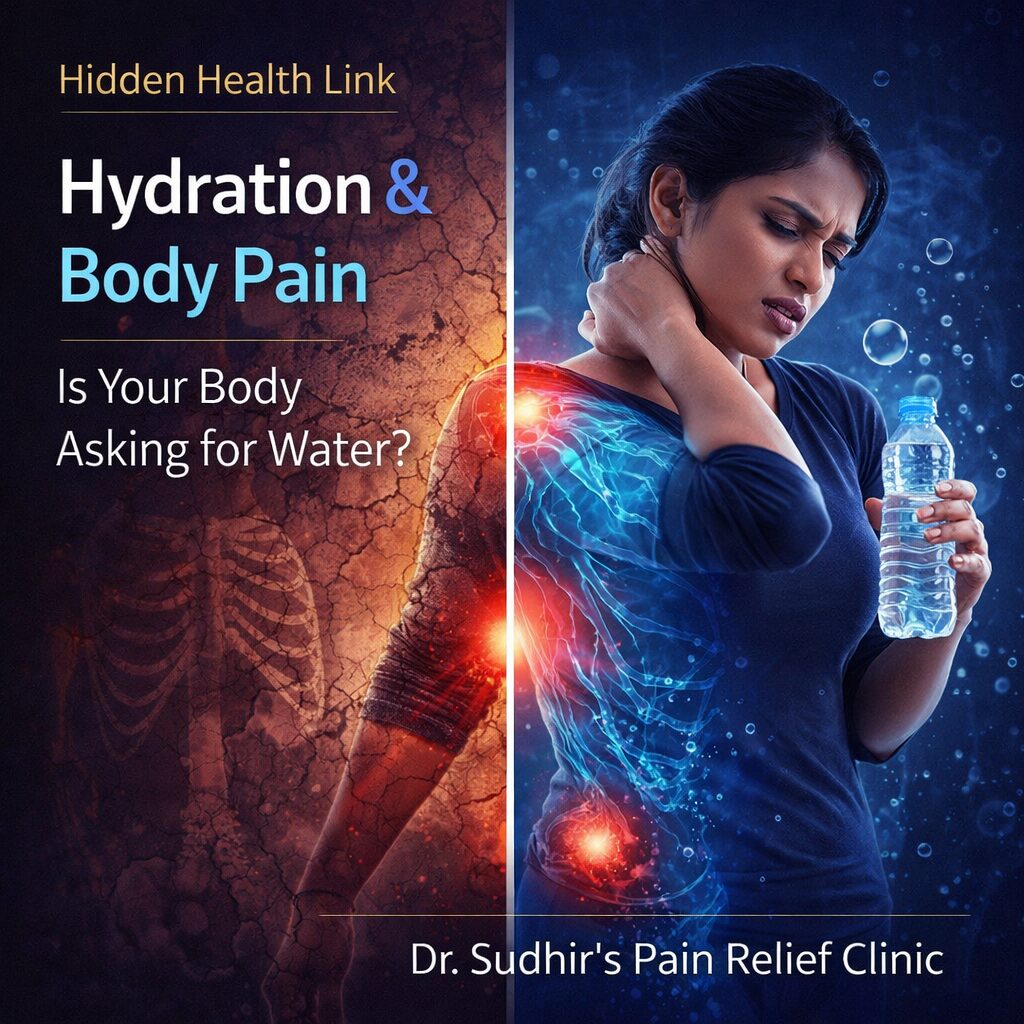
Most people associate dehydration with thirst, fatigue, or headaches. However, what many people do not realize is that hydration plays a crucial role in muscle function, joint health, and overall body comfort. In fact, insufficient water intake can sometimes contribute to body pain, muscle cramps, and stiffness.
Understanding the connection between hydration and pain can help you make simple lifestyle changes that support better physical health.
Why Hydration Is Essential for the Body
Water makes up about 60% of the human body, and it is involved in nearly every biological process. It helps regulate body temperature, transport nutrients, remove waste products, and maintain the proper functioning of muscles and joints.
When the body does not receive enough fluids, several systems can begin to function less efficiently, which may contribute to physical discomfort.
How Dehydration Can Contribute to Body Pain
1. Muscle Cramps and Tightness
Muscles rely on proper hydration to function smoothly. When the body lacks sufficient fluids, the balance of electrolytes such as sodium, potassium, and magnesium can become disrupted.
This imbalance can cause:
muscle cramps
muscle tightness
fatigue during physical activity
Even mild dehydration may make muscles more prone to strain and discomfort.
2. Joint Stiffness
The joints in the body are cushioned by synovial fluid, a lubricating substance that helps reduce friction between bones during movement.
Proper hydration helps maintain this fluid balance. When the body is dehydrated, joints may become less lubricated, which can lead to stiffness and reduced mobility.
People who experience joint discomfort may sometimes benefit from improving their daily fluid intake.
3. Reduced Blood Circulation
Water helps maintain healthy blood volume and circulation. When hydration levels drop, blood flow can become less efficient.
Poor circulation can reduce the supply of oxygen and nutrients to muscles and tissues, which may contribute to soreness or fatigue.
4. Headaches and Neck Pain
Dehydration is a common trigger for headaches. In some cases, dehydration can cause the brain tissue to temporarily contract due to reduced fluid levels, which may lead to discomfort.
Headaches caused by dehydration can also contribute to neck and shoulder tension, making the pain feel more widespread.
5. Increased Risk of Fatigue
When the body is dehydrated, physical performance declines and muscles may tire more quickly. This fatigue can increase the likelihood of poor posture, muscle strain, and discomfort during everyday activities.
Signs That Your Body May Need More Hydration
Many people do not recognize early signs of dehydration. Some symptoms include:
dry mouth
fatigue
muscle cramps
headaches
dizziness
dark-colored urine
Recognizing these signs early can help prevent further discomfort.
How Much Water Does the Body Need?
Fluid needs vary depending on factors such as age, activity level, weather conditions, and overall health.
A commonly recommended guideline is about 2–3 liters of water per day for most adults, although individual needs may differ.
People who exercise frequently or live in hot climates may require even more fluids.
Simple Ways to Stay Properly Hydrated
Maintaining good hydration does not have to be complicated. A few simple habits can make a big difference.
Drink water regularly throughout the day rather than waiting until you feel thirsty
Carry a water bottle during work or travel
Include water-rich foods such as fruits and vegetables in your diet
Limit excessive caffeine or sugary beverages that may contribute to dehydration
When Hydration Alone Is Not Enough
While improving hydration can help reduce some types of discomfort, persistent or severe pain may indicate underlying issues such as muscle imbalance, posture problems, or joint conditions.
If pain continues despite lifestyle adjustments, seeking professional evaluation can help determine the underlying cause and appropriate treatment.
Final Thought
Hydration is often overlooked as a factor in physical wellbeing, yet it plays an essential role in maintaining healthy muscles, joints, and circulation. Something as simple as drinking enough water each day can sometimes help reduce fatigue, muscle cramps, and minor aches.
Paying attention to hydration is a small step that can contribute to better overall health and improved physical comfort.
Listening to your body’s signals and maintaining balanced daily habits can go a long way toward preventing unnecessary discomfort.