
For years, patients with osteoarthritis have been told the same thing:
“Just exercise — it will help your joints.”
Exercise is still widely recommended, but new research is raising important questions. A large umbrella review suggests that the benefits of exercise for osteoarthritis pain and function may be smaller and shorter-lasting than many people expect. �
News-Medical
This does not mean exercise is useless — but it does mean treatment may need to be more personalised and comprehensive.
Let’s break down what this really means for patients.
What the New Research Found
Researchers analysed multiple systematic reviews and clinical trials involving thousands of patients with osteoarthritis.
Key findings:
Exercise produced only small reductions in pain compared with doing nothing. �
The New Indian Express
Improvements in physical function were often minimal or short-lived. �
News-Medical
In some comparisons, exercise performed about the same as placebo or usual care. �
News-Medical
The researchers concluded that the universal promotion of exercise as the single first-line solution may need reconsideration. �
News-Medical
Why This Matters for Patients
Osteoarthritis is one of the most common causes of:
knee pain
hip stiffness
joint swelling
reduced mobility
Many patients feel frustrated when they follow exercise advice but still experience pain.
This study helps explain why.
👉 Exercise alone may not be enough for everyone.
Important: This Does NOT Mean You Should Stop Exercising
This is where many people misunderstand the news.
Experts caution that the findings should not prompt patients to abandon exercise routines. �
The New Indian Express
Why?
Because exercise still:
maintains joint mobility
strengthens muscles
supports weight control
prevents further stiffness
improves overall health
The real message is:
Exercise is helpful — but often not sufficient by itself.
Why Exercise May Show Limited Results
The review highlights several reasons the benefits may appear modest.
1. Not All Exercises Are Equal
The study grouped together many types of exercise, including:
strength training
aerobic exercise
stretching
aquatic therapy
tai chi
But research shows different exercises work differently. For example, aerobic exercise may help knee osteoarthritis more than simple stretching. �
The New Indian Express
2. Supervision Matters
Supervised physiotherapy typically produces better outcomes than unsupervised home exercise, likely because patients perform movements more correctly and consistently. �
The New Indian Express
3. Severity of Disease Varies
People with more severe symptoms often respond better to structured exercise programs than those with mild disease. �
The New Indian Express
This means a “one-size-fits-all” approach does not work well.
The Real Problem: Osteoarthritis Is Multifactorial
Osteoarthritis pain is not caused by just one issue. It involves:
cartilage wear
joint inflammation
muscle weakness
biomechanical imbalance
nerve sensitisation
weight and lifestyle factors
Because the condition is complex, treatment must also be multi-layered.
What Works Better Than Exercise Alone
Most specialists now recommend a combined approach, which may include:
✓ Targeted physiotherapy
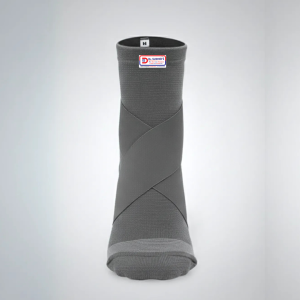
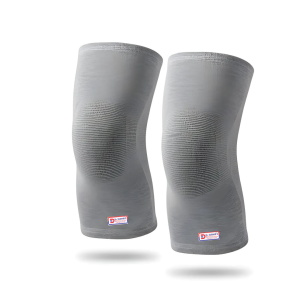
✓ Joint support (braces or binders)
✓ weight management
✓ posture and gait correction
✓ pain-relief therapies
✓ activity modification
✓ strengthening of specific muscle groups
In fact, some analyses have found supportive measures like knee bracing and hydrotherapy can significantly reduce pain and improve mobility in knee osteoarthritis. �
ScienceDaily
Signs Your Current Treatment Plan May Be Incomplete
You may need a more comprehensive approach if:
pain returns despite regular exercise
morning stiffness is worsening
walking distance is reducing
knees feel unstable
daily activities are becoming difficult
painkillers provide only temporary relief
These are signals that exercise alone may not be addressing the root cause.
When to Seek Professional Pain Care
Consult a specialist if:
joint pain persists for weeks
stiffness lasts more than 30 minutes in the morning
swelling keeps returning
movement becomes restricted
pain interferes with sleep or work
Early intervention can slow progression and improve quality of life.
Final Thought
The new research does not mean exercise is ineffective. Instead, it delivers a more practical message:
Osteoarthritis is too complex for a single-solution approach.
Exercise remains important — but the most effective care usually combines:
the right movement
the right support
the right therapy
and the right medical guidance
If your joint pain is not improving despite your efforts, it may be time to look beyond generic advice and move toward a personalised pain-relief strategy.