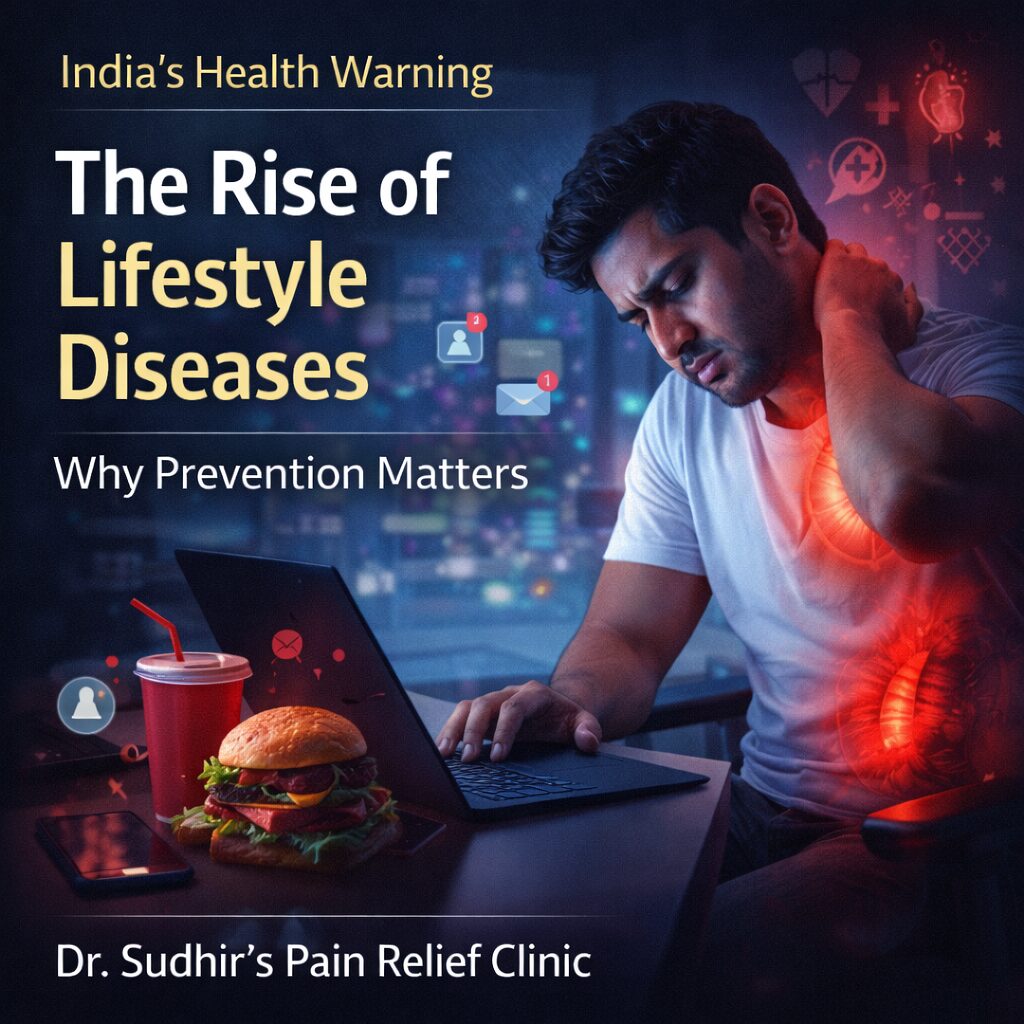
India is witnessing a major shift in its health landscape. While infectious diseases once dominated public health concerns, today lifestyle diseases are becoming the biggest health threat. Doctors and public health experts warn that conditions such as diabetes, heart disease, obesity, hypertension, and chronic pain disorders are increasing rapidly across the country.
Recent reports suggest that non-communicable diseases (NCDs) now account for a large percentage of deaths in India. This shift highlights the urgent need for preventive healthcare and healthier daily habits.
What Are Lifestyle Diseases?
Lifestyle diseases are health conditions that develop primarily due to daily habits, diet, physical inactivity, and stress. Unlike infectious diseases, they are not caused by viruses or bacteria but by long-term lifestyle patterns.
Common lifestyle diseases include:
diabetes
heart disease
obesity
hypertension (high blood pressure)
chronic back and joint pain
sleep disorders
These conditions often develop slowly over many years, making early prevention extremely important.
Why Lifestyle Diseases Are Increasing in India
Several social and lifestyle changes have contributed to the rising number of lifestyle-related health problems.
1. Sedentary Work Culture
Modern work environments involve long hours of sitting in front of computers. Many professionals spend 8–10 hours a day sitting, which can lead to:
weight gain
poor posture
spine problems
reduced metabolism
Lack of physical movement is one of the major risk factors for lifestyle diseases.
2. Unhealthy Dietary Habits
Urban lifestyles have led to increased consumption of:
processed foods
sugary drinks
fast food
high-fat diets
These foods often contain excessive calories and low nutritional value, contributing to obesity and metabolic disorders.
3. High Stress Levels
Stress is another major factor affecting health. Work pressure, financial concerns, and modern lifestyle demands can increase stress hormones in the body.
Chronic stress is linked with:
high blood pressure
heart disease
sleep problems
weakened immune system
4. Lack of Physical Activity
Regular exercise has declined for many people due to busy schedules and sedentary habits.
Without sufficient physical activity, the body struggles to maintain healthy weight, blood sugar levels, and cardiovascular fitness.
5. Poor Sleep Patterns
Sleep is essential for maintaining physical and mental health. However, many people today experience sleep deprivation due to late-night screen use and irregular schedules.
Poor sleep can increase the risk of:
diabetes
obesity
mental health problems
chronic fatigue
The Hidden Impact on Younger Generations
What makes the rise of lifestyle diseases particularly concerning is that these conditions are now affecting younger individuals.
Doctors are increasingly diagnosing:
hypertension in people in their 30s
early diabetes in young adults
chronic back pain among professionals and students
This trend indicates that unhealthy lifestyle patterns are starting earlier in life.
Why Prevention Is the Best Strategy
Lifestyle diseases often develop slowly, which means they can be prevented or delayed with the right habits.
Preventive healthcare focuses on reducing risk factors before disease develops. This approach is becoming more important as healthcare systems deal with increasing chronic disease burdens.
Simple Steps to Reduce Lifestyle Disease Risk
Making small lifestyle changes can significantly improve overall health.
Stay Physically Active
Aim for at least 30 minutes of physical activity daily, such as walking, cycling, or yoga.
Maintain a Balanced Diet
Focus on:
fruits and vegetables
whole grains
lean protein
limited processed foods
Healthy nutrition plays a critical role in preventing chronic diseases.
Manage Stress
Practicing relaxation techniques such as meditation, breathing exercises, and regular breaks from work can help manage stress.
Improve Sleep Quality
Maintaining a consistent sleep schedule and reducing screen exposure before bedtime can improve sleep patterns.
Regular Health Checkups
Preventive health checkups help detect early signs of health problems, allowing timely intervention and treatment.
The Role of Awareness
Raising awareness about lifestyle diseases is essential. Many people only seek medical help when symptoms become severe. However, early awareness and preventive action can significantly reduce long-term health risks.
Educational initiatives, workplace wellness programs, and community health campaigns are important steps toward improving public health.
Final Thought
India is facing a growing challenge with lifestyle diseases, but the situation is not irreversible. By focusing on prevention, healthier habits, and early detection, individuals can significantly reduce their risk of chronic health conditions.
Modern life may bring convenience and technological advancement, but maintaining a balanced lifestyle remains the key to long-term health and wellbeing.
Taking proactive steps today can help build a healthier future for individuals, families, and communities across the country.