Pain management has evolved significantly over the years. Today, many modern therapies focus on non-invasive techniques that help the body heal naturally. One such method gaining attention is vibration therapy.
Vibration therapy uses controlled mechanical vibrations to stimulate muscles, improve blood circulation, and reduce pain. For many patients suffering from chronic pain, joint stiffness, or muscle fatigue, this therapy can offer noticeable relief without surgery or heavy medication.
Understanding how vibration therapy works can help patients explore new options for pain management.
What Is Vibration Therapy?
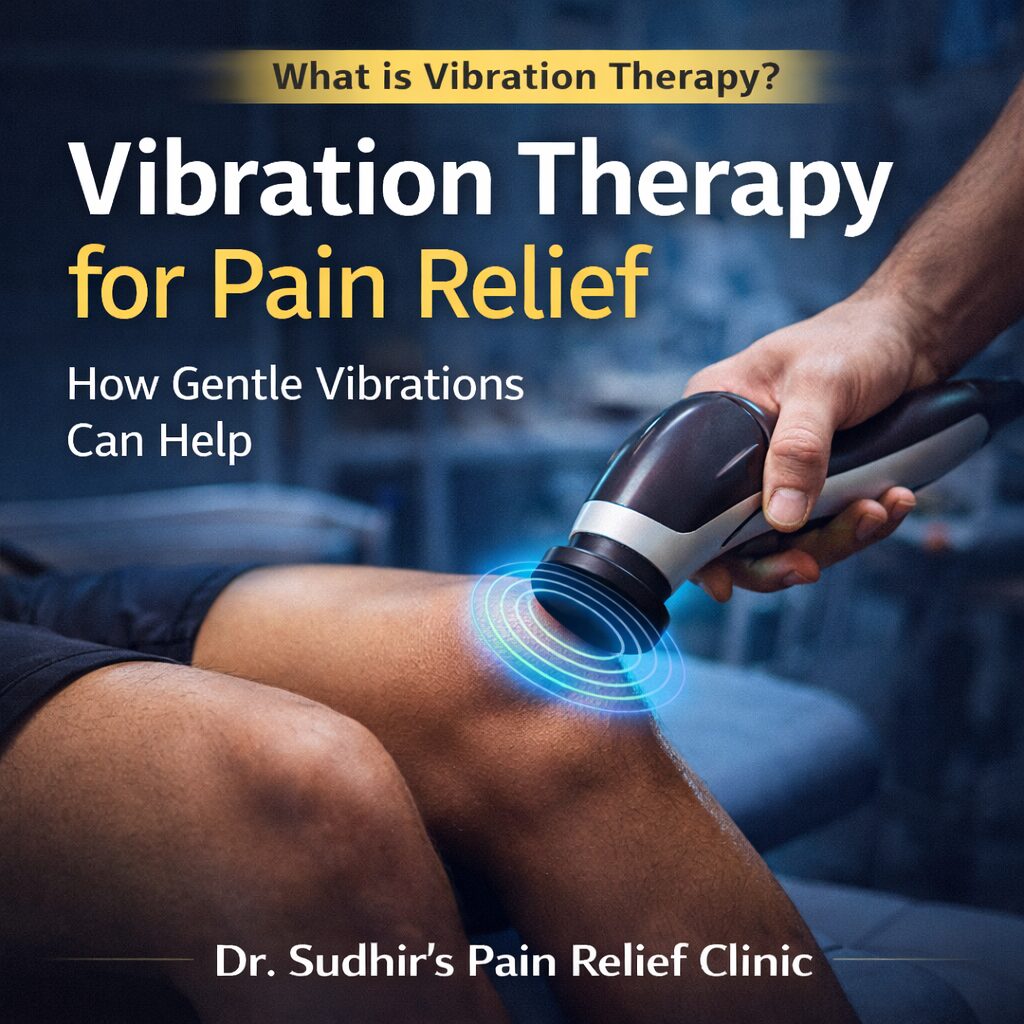
Vibration therapy involves using specialized devices that generate gentle mechanical vibrations applied to specific parts of the body.
These vibrations travel through tissues and muscles, stimulating the body in several beneficial ways, including:
improving blood flow
activating muscle fibers
reducing muscle tension
promoting faster recovery
The therapy can be delivered through localized devices or vibration platforms, depending on the condition being treated.
How Vibration Therapy Helps Relieve Pain
The benefits of vibration therapy come from how the body responds to mechanical stimulation.
1. Improves Blood Circulation
One of the primary effects of vibration therapy is increased circulation. Better blood flow helps deliver oxygen and nutrients to muscles and tissues, which can support faster healing and reduce inflammation.
2. Relaxes Tight Muscles
Muscle tension is a common cause of pain in the neck, shoulders, and back. Vibrations help relax tight muscles, making it easier for the body to release built-up stress in affected areas.
3. Reduces Joint Stiffness
For people with conditions such as arthritis or joint stiffness, vibration therapy may help improve flexibility by gently stimulating surrounding muscles and connective tissues.
4. Activates Muscle Fibers
Vibration stimulates muscle contractions that can improve muscle strength and coordination. This is particularly helpful for people recovering from injury or experiencing reduced mobility.
5. Supports Nervous System Relaxation
Gentle vibration signals can influence the nervous system, helping reduce pain perception and promoting a sense of relaxation.
Conditions Where Vibration Therapy May Help
Vibration therapy is commonly used to support treatment for several musculoskeletal conditions, including:
chronic back pain
neck and shoulder tension
knee joint discomfort
muscle stiffness
sports injuries
post-exercise muscle soreness
age-related mobility issues
When used under professional supervision, it can complement other therapies and rehabilitation exercises.
Benefits of Vibration Therapy
Many patients prefer vibration therapy because it offers several advantages:
non-invasive treatment
minimal discomfort
quick therapy sessions
improved circulation and muscle activation
potential reduction in chronic pain symptoms
It is often used as part of a broader pain management plan that may include physiotherapy, posture correction, and strengthening exercises.
Is Vibration Therapy Safe?
For most people, vibration therapy is considered safe when used appropriately. However, it should be administered carefully, especially for individuals with:
severe cardiovascular conditions
acute injuries
recent surgeries
certain neurological disorders
Consulting a healthcare professional ensures that the therapy is suitable for your specific condition.
The Role of Professional Guidance
Like many therapeutic techniques, vibration therapy works best when integrated into a structured treatment program.
A professional evaluation can help determine:
the underlying cause of pain
appropriate vibration intensity and duration
complementary exercises or therapies
Personalized treatment ensures better outcomes and safer recovery.
Final Thought
Chronic pain can significantly affect quality of life, limiting movement and daily activities. Modern therapies such as vibration therapy offer promising ways to support recovery without invasive procedures.
By improving circulation, relaxing muscles, and stimulating the nervous system, vibration therapy may help patients move more comfortably and regain mobility.
Exploring safe, evidence-informed approaches to pain management can help individuals take meaningful steps toward long-term relief and improved wellbeing.