
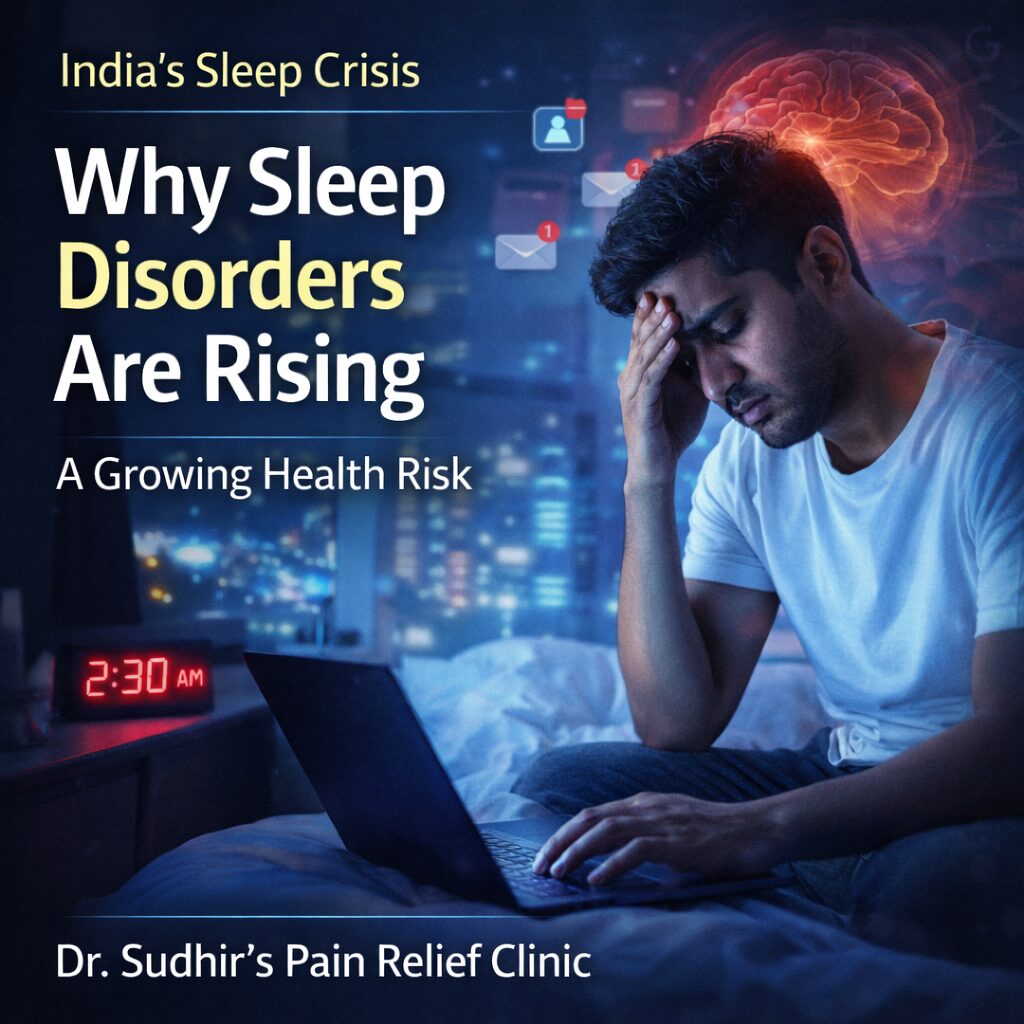
Sleep is one of the most essential pillars of good health, yet millions of people are not getting enough of it. Doctors across India are increasingly warning that sleep disorders are rising rapidly, particularly in urban areas. According to recent reports highlighted by The Times of India, poor sleep habits are now affecting a large portion of the population and contributing to multiple chronic health problems.
What many people still underestimate is that sleep is not just about rest. It is a critical biological process that allows the body and brain to recover, regulate hormones, repair tissues, and maintain mental wellbeing. When sleep patterns become irregular or insufficient, the effects can extend far beyond simple fatigue.
The Growing Sleep Crisis in India
Sleep problems are becoming more common due to major lifestyle changes. Modern urban life has introduced several habits that disrupt the body’s natural sleep cycle.
Common causes include:
excessive screen time before bed
long working hours and irregular schedules
stress and anxiety
late-night social media use
caffeine consumption late in the day
lack of physical activity
Many people also underestimate how much late-night smartphone use and digital exposure interfere with the body’s natural circadian rhythm.
Understanding Sleep Disorders
A sleep disorder is any condition that prevents a person from getting regular, restful sleep.
Some of the most common sleep disorders include:
Insomnia
Insomnia is one of the most widespread sleep problems. People with insomnia may have difficulty falling asleep, staying asleep, or waking up too early.
Sleep Apnea
Sleep apnea causes breathing interruptions during sleep, which can severely reduce sleep quality and increase the risk of heart problems.
Restless Leg Syndrome
This condition causes uncomfortable sensations in the legs and an urge to move them, especially at night, making sleep difficult.
Circadian Rhythm Disorders
These occur when the body’s internal clock becomes misaligned with normal day-night cycles.
Why Poor Sleep Is Dangerous
Sleep deprivation affects almost every system in the body. Doctors warn that chronic sleep problems can increase the risk of several serious health conditions.
1. Heart Disease
Poor sleep is linked to higher blood pressure and increased risk of cardiovascular disease.
2. Diabetes
Sleep deprivation can interfere with insulin regulation and increase the risk of type 2 diabetes.
3. Obesity
Lack of sleep disrupts hunger hormones, leading to increased appetite and weight gain.
4. Mental Health Problems
Sleep disorders are strongly linked with anxiety, depression, and mood instability.
5. Reduced Immunity
Poor sleep weakens the immune system, making the body more vulnerable to infections.
How Modern Lifestyle Is Worsening Sleep
One of the biggest contributors to sleep disorders today is technology use at night.
The blue light emitted by smartphones, tablets, and laptops suppresses the production of melatonin, the hormone responsible for regulating sleep. As a result, the brain stays alert when it should be preparing for rest.
Other lifestyle factors include:
sedentary routines
high stress levels
irregular eating patterns
late-night entertainment habits
Warning Signs of Poor Sleep
Many people do not realize they have a sleep problem until it begins affecting their daily life.
Some warning signs include:
feeling tired even after a full night in bed
difficulty concentrating during the day
frequent headaches
irritability or mood changes
difficulty falling asleep regularly
waking up multiple times at night
If these symptoms persist for weeks, medical advice may be necessary.
Simple Steps to Improve Sleep Quality
Improving sleep often requires small lifestyle adjustments.
Doctors recommend:
Maintain a Regular Sleep Schedule
Going to bed and waking up at the same time each day helps regulate the body’s internal clock.
Reduce Screen Exposure Before Bed
Avoid phones and laptops at least 30–60 minutes before sleeping.
Create a Relaxing Sleep Environment
A quiet, dark, and cool room helps promote better sleep.
Limit Caffeine and Heavy Meals at Night
Stimulants and large meals close to bedtime can interfere with sleep.
Stay Physically Active
Regular exercise helps improve sleep quality and reduces stress.
Why Sleep Should Be Treated as a Health Priority
Sleep is not a luxury; it is a fundamental requirement for physical and mental health. Ignoring sleep problems can slowly lead to long-term health complications.
As awareness grows, doctors across India are encouraging people to treat sleep as seriously as diet and exercise.
Understanding the importance of sleep and making small adjustments to daily habits can significantly improve overall health and wellbeing.
Final Thought
India is facing a growing sleep health challenge driven by modern lifestyle habits. As work schedules, digital exposure, and stress levels increase, many people are unknowingly sacrificing the rest their bodies need.
Recognizing the early signs of sleep problems and adopting healthier habits can help prevent long-term health risks. In the end, a good night’s sleep is one of the most powerful tools for maintaining a healthy body and mind.